UCSC Talks 2026: How the retail sector and shopping centres are seeking energy stability — insights from Pro-Energy

Руслан Делідон — 30.04.2026

Руслан Делідон — 30.04.2026
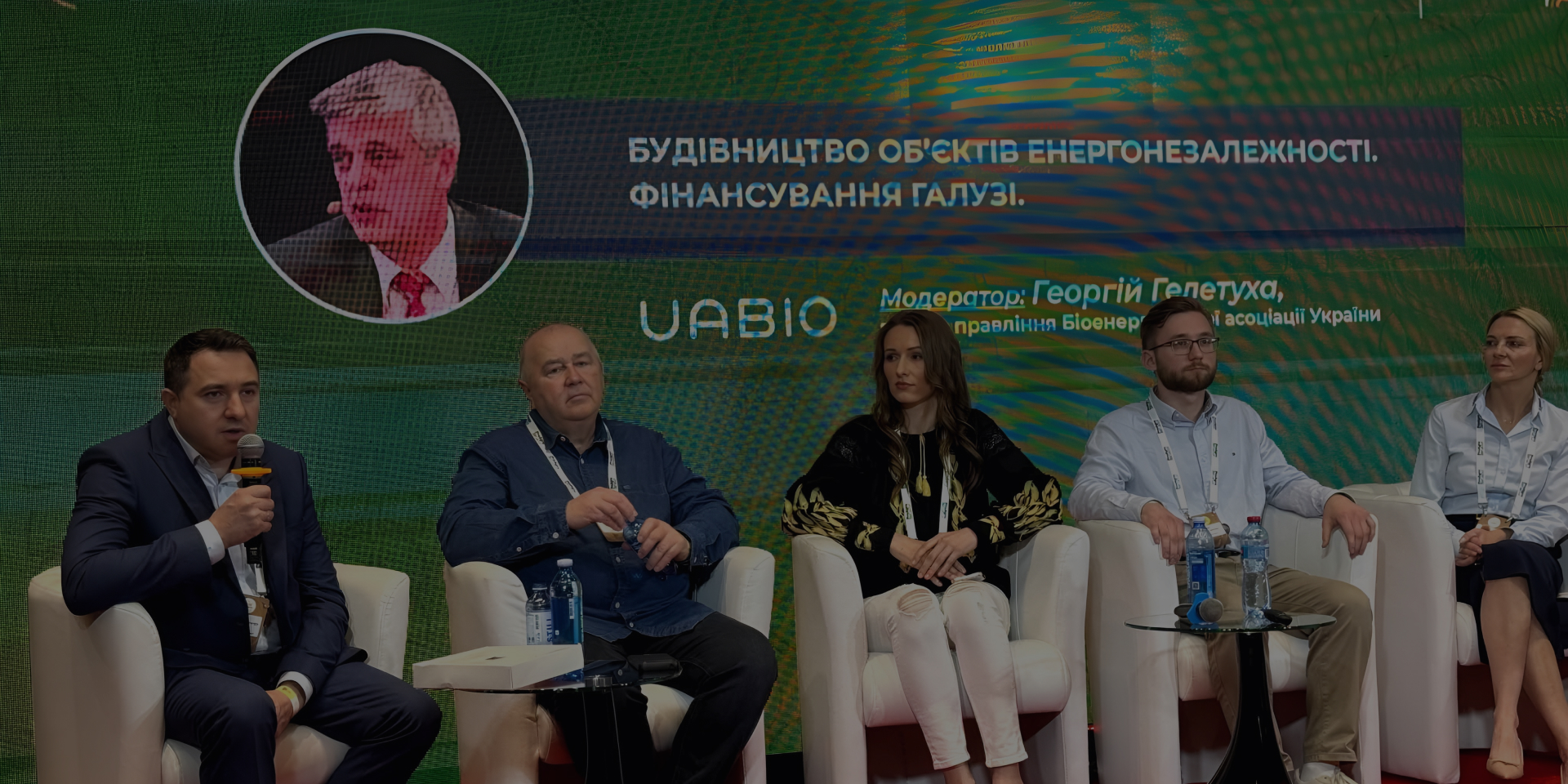
Energy stability for shopping centres and the retail sector is no longer merely a technical issue; it has become a strategic factor for business survival. This was the central theme of UCSC Talks 2026 — an industry event where practical approaches to ensuring an uninterrupted energy supply were discussed.
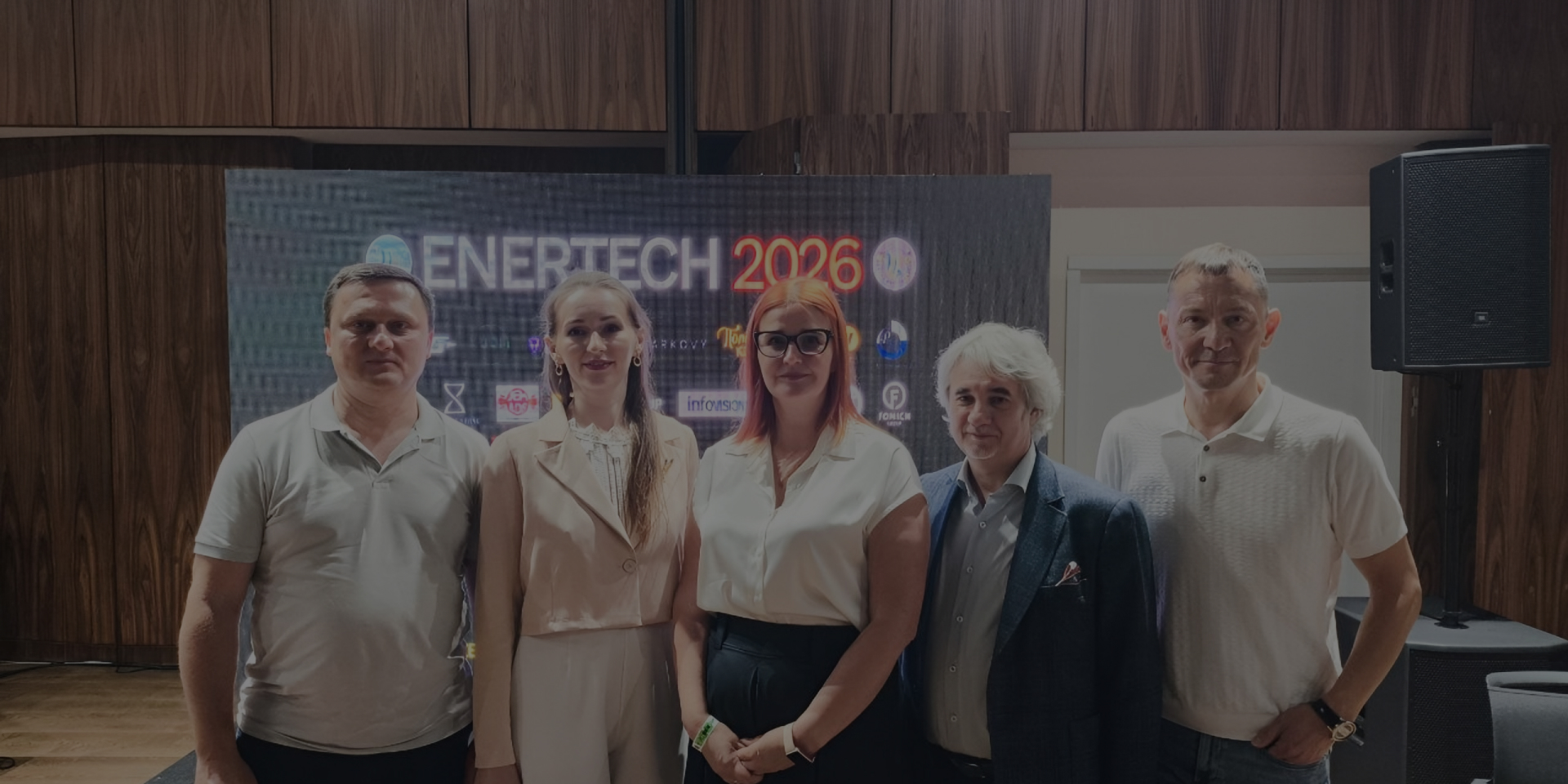
The Pro-Energy team attended the event with a stand, not only to showcase their solutions but also to gain an understanding of how the market is actually navigating the energy challenges. This resulted in dozens of discussions with shopping centre owners and retailers, specific case studies, and a clear understanding of the direction the industry is heading.
Taking part in the conference was a natural step following an invitation from our partners. For us, it provides access to real-world market experience.
The format of the stand allowed us to address business enquiries directly. Rather than presenting ‘one-size-fits-all solutions’, we examined specific scenarios: what type of equipment is suitable for a particular site, how the system configuration is determined, what the maintenance requirements are, and what factors influence the speed of service response.

Particular emphasis is placed on the mistakes businesses make as early as the selection stage: miscalculating the load, ignoring operating costs, and failing to adopt a systematic approach to energy supply.
The main focus is on natural gas cogeneration as the core solution for shopping centres.
In practice, this means a shift from piecemeal solutions to a systematic approach: the facility is equipped with a controlled energy supply system. Cogeneration enables the simultaneous production of electricity and heat, achieving an overall efficiency of up to 80–90%, which significantly improves the facility’s economic performance.
The key message we conveyed was that a diesel generator is an emergency solution. It is not designed for long-term operation as a primary power source, particularly for high-demand facilities such as shopping centres.
In discussions with market representatives, one trend is clearly evident: businesses are looking not just for equipment, but for proven expertise and a clear business case.
The greatest interest centred on the practical implementation of cogeneration specifically for shopping centres. The focus was not on theoretical advantages, but on real-world examples: how the system operates in winter, how it performs during peak loads, what the maintenance costs are, and how quickly it can pay for itself.
This is a sign of a mature market: decisions are assessed based on the experiences of others.
One of the key facts highlighted during the event was that around 91% of shopping centres currently meet their electricity needs using diesel generators.
At the same time, most have already encountered the systemic limitations of this approach. In winter, there are difficulties in securing fuel supplies, fuel quality declines, and the burden on maintenance teams increases. All of this has a direct impact on the stability of the facility’s operations and increases operating costs.
The main point is that diesel is not a long-term solution. It is a temporary measure that has become the ‘norm’ due to a lack of alternatives on the business horizon.
A separate section of the discussion focused on trigeneration—an expanded model in which cooling is added to electricity and heat.
A telling example was the case of the partners (VELES and LG): at the start of the project, the payback period was estimated at seven years, but during implementation the forecast was revised to three to four years.

This highlights an important point: traditional approaches to evaluating energy projects often fail to take all factors into account, including changes in energy costs, heat usage scenarios and actual operating conditions.
The key takeaway from UCSC Talks 2026 is that the market is shifting from reactive solutions to strategic energy management.
Today, shopping centres are built around integrated systems in which each component fulfils a specific function. Cogeneration serves as the primary source of stable power generation, solar energy helps to reduce costs during the day, storage systems enable load balancing, and diesel generators remain on standby for emergencies.
This approach makes it possible to address several issues at once: ensuring uninterrupted power supply, reducing reliance on the grid, and controlling energy costs.
For us, taking part in UCSC Talks highlighted a key issue: the market is still not sufficiently aware of the potential of cogeneration and trigeneration, particularly in an economic context.
That is why, over the next 6–12 months, we will focus not only on implementing projects but also on open communication. More public case studies, more explanations and more dialogue with the market, so that decisions are made based on data rather than assumptions.
UCSC Talks 2026 revealed that the market is already ready for change, but has not yet fully embraced systemic solutions.
And right now, a new standard is taking shape — one that is energy-independent, integrated and economically viable.
The Pro-Energy team will help you assess your energy profile, calculate the cost-effectiveness and suggest the optimal system configuration — from concept to commissioning.
Fill in the form to request a consultation — we’ll show you how to build a stable and predictable energy supply for your business.
Send us a request, and we’ll personally provide the answers during a consultation.
Thank you for your request! The manager will contact you shortly to answer all your questions.
In the meantime, check out our implemented projects.
Periodically, you will receive letters from us with all the latest news from the field of bioenergy.
So that the letters do not end up in spam, please add info@pro-energy.com.ua to the list of contacts in the mail.
We will be in touch!