EnerTech 2026: why it is impossible to imagine the future of cogeneration without bioenergy

Ruslan Delidon — 02.07.2026


Ruslan Delidon — 02.07.2026
Energy independence has now become one of the top priorities for Ukrainian businesses and communities. This is precisely why professional forums, where new approaches to the development of the energy sector are shaped, are becoming increasingly important. One such event was the international specialised exhibition and conference Green EnerTech 2026 — one of the key events in Ukraine dedicated to renewable energy, distributed generation, industrial ecology and modern energy-efficient solutions.
Green EnerTech 2026 brought together experts, government representatives, equipment manufacturers, energy companies and the business community to discuss the technologies that will shape the development of Ukraine’s energy sector in the coming years. The focus was on solutions for autonomous and decentralised energy supply, energy storage systems, cogeneration, and renewable energy sources.
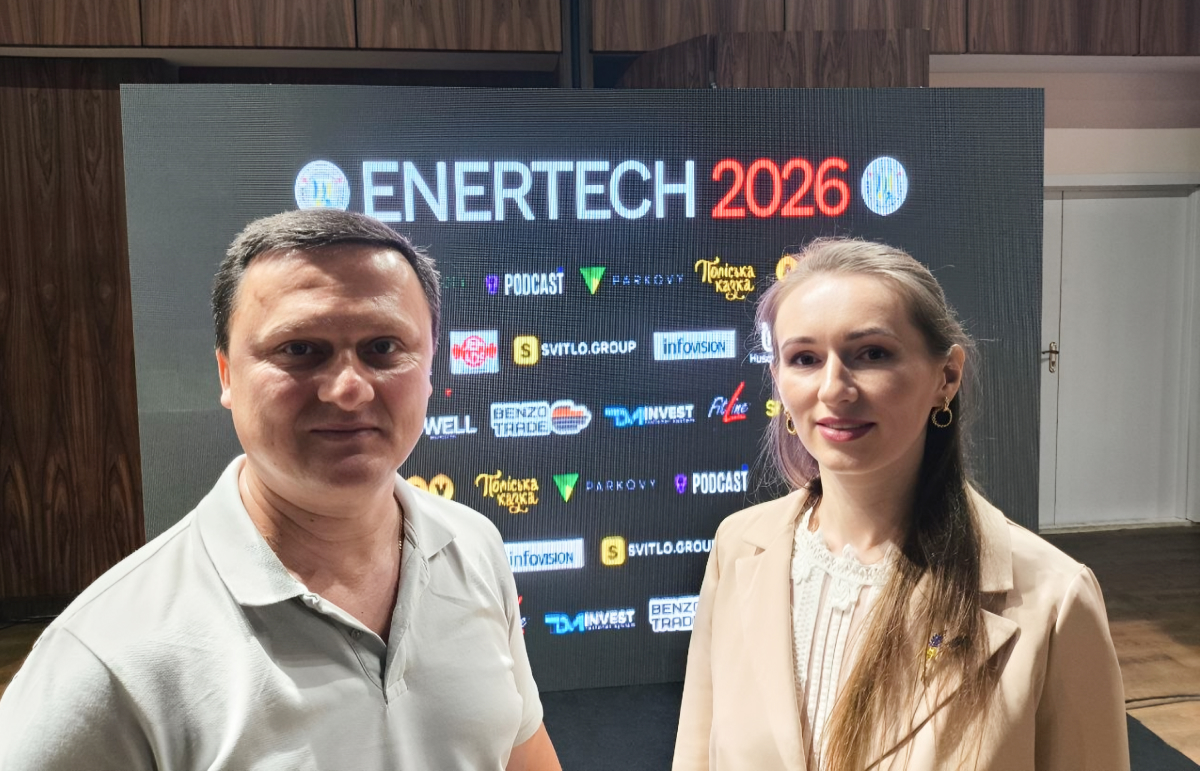
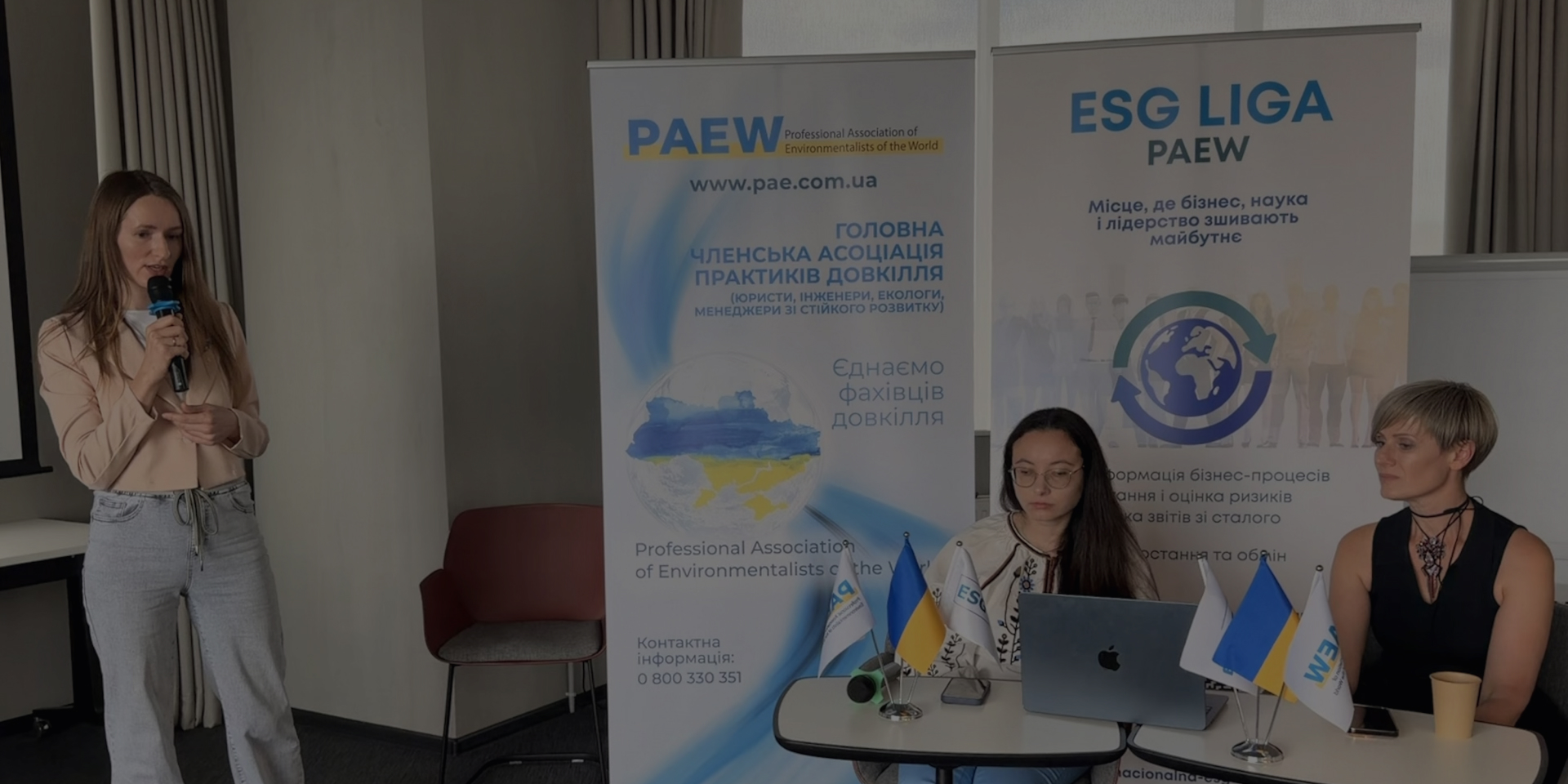
The Pro-Energy team took part in the event to present its own vision of the role of bioenergy in Ukraine’s modern energy system. During our presentation, we discussed cogeneration, biogas and biomethane — solutions that are already helping businesses to improve energy efficiency, reduce costs and strengthen energy independence.
Our participation in the event came about following an invitation from the organisers. For us, it was an opportunity to highlight bioenergy and its role in Ukraine’s future energy system.
Our aim was not to showcase individual pieces of equipment or promote specific solutions. Instead, we wanted to demonstrate that cogeneration, biogas and biomethane are no longer simply “technologies of the future”. They are firmly establishing themselves as practical tools for improving the energy efficiency of businesses and communities.
The Pro-Energy team tried to convey this idea to the conference participants.
The presentation consisted of two interrelated topics. The first part was devoted to cogeneration as one of the most effective tools for local energy generation for businesses and communities. The second part concerned biogas as a logical development of this concept.
One particular moment in the discussion was particularly telling. Following the presentation on cogeneration, someone asked: “What will we do if we run out of natural gas?” This prompted a move on to the topic of bioenergy.
The Pro-Energy team’s response was simple: for businesses that handle organic waste, some of the natural gas can be replaced with biogas produced on-site.
It is here that cogeneration offers yet another advantage — the ability to run not only on fossil fuels, but also on a renewable resource that the company produces itself.
Although a significant proportion of the participants do not work directly in the field of bioenergy, the questions proved to be very revealing.
The most frequently asked questions were:
For the Pro-Energy team, this served as further confirmation that the market still needs a basic explanation of how bioenergy works.
Today, many businesses are only just beginning to familiarise themselves with these technologies, so expert communication remains just as important as the implementation of the projects themselves.
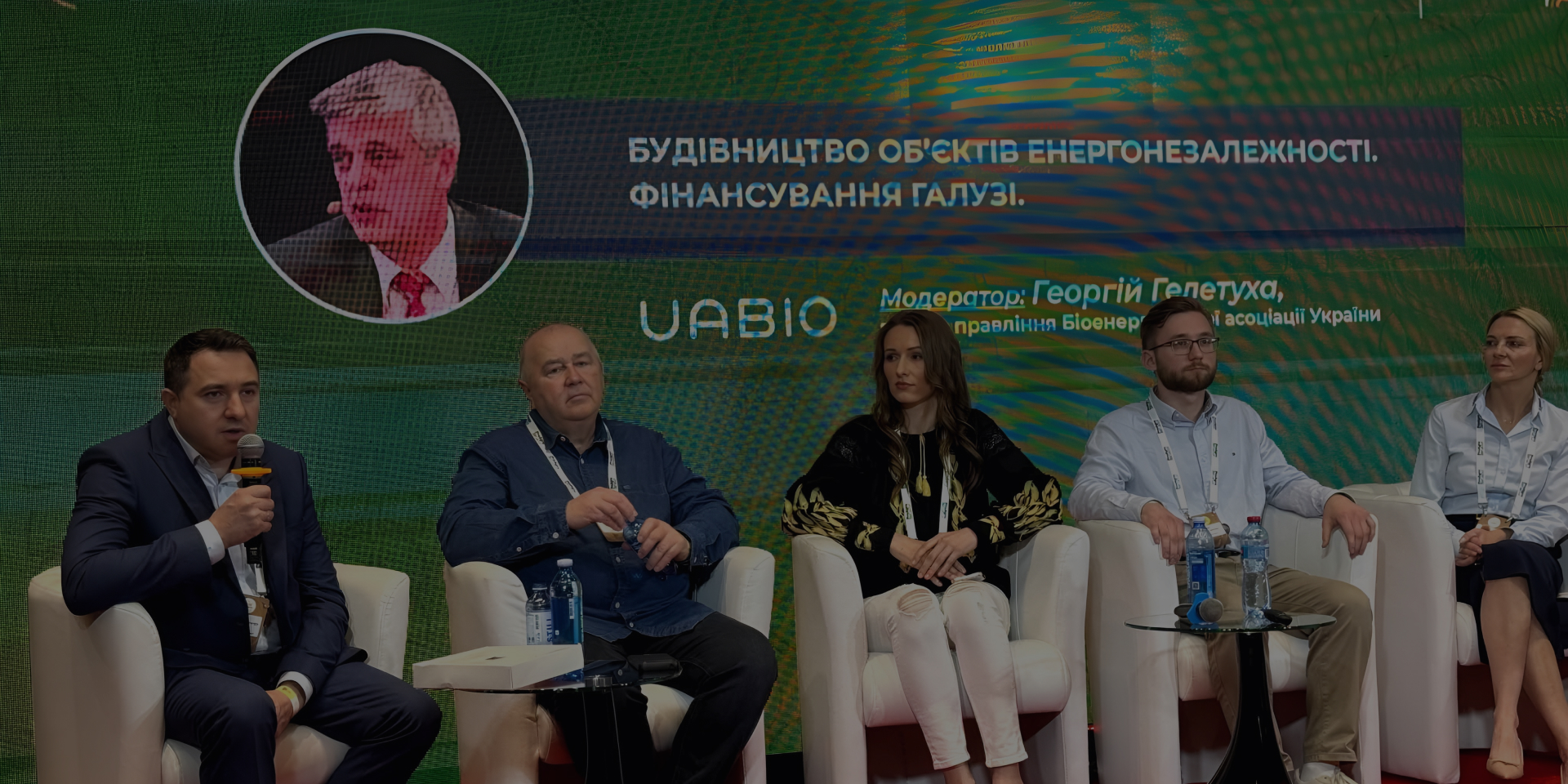
During the conference, issues that are currently of concern to virtually all players in the energy sector were discussed.
Most often, the discussions centred on:
All of this has a direct impact on the economics of future energy projects.
At the same time, another trend is becoming increasingly apparent: regardless of the market model, businesses are seeking to gain greater control over their own energy supply.
Although this topic was not discussed as a separate item on the agenda during the conference, it is one that regularly arises in Pro-Energy’s day-to-day work.
The most common problem arises even before the design phase begins. The potential of raw materials is often assessed on the basis of reference figures, without laboratory analysis. As a result, the estimated capacity of the future plant turns out to be significantly higher than the actual capacity.
Another common mistake is paying insufficient attention to logistics. Even high-quality raw materials can make a project unprofitable if transporting them involves significant costs.
Therefore, the analysis of the raw material base must be comprehensive, taking into account its quantity, actual quality, and logistics.
The situation is similar in cogeneration projects. The most common mistake is to start by choosing the plant. In fact, the first step should be to analyse the enterprise’s energy consumption. The economic efficiency of cogeneration is largely determined by the extent to which the enterprise utilises the heat produced. If the heat is not utilised, the overall economics of the project deteriorate significantly.
It is equally important to take into account seasonal fluctuations in consumption, production schedules and the possibility of integrating cogeneration into the enterprise’s overall energy system.
Cogeneration should be viewed as part of a comprehensive energy strategy, alongside biogas, biomethane, solar power and energy storage systems.
For the Pro-Energy team, taking part in the event confirmed the main point — Ukrainian businesses are increasingly seeking ways to become energy-independent. And although awareness of bioenergy varies as yet, interest in on-site power generation continues to grow.
Nowadays, it is important not just to supply equipment, but to help businesses develop the right concept for their future project.
Cogeneration is, first and foremost, a means of improving energy efficiency, reducing energy costs and enhancing a company’s energy independence.
Therefore, before starting a project, it is worth asking the question: “What energy problem do we want to solve?”
Only after assessing the company’s needs is it possible to determine the optimal configuration of the future system, evaluate the feasibility of using natural gas or biogas, calculate the economic viability and integrate cogeneration into the long-term energy strategy.
It is precisely this approach that enables us to achieve the best possible economic outcome.
The Pro-Energy team supports projects in the fields of cogeneration, biogas, biomethane and energy efficiency — from analysing energy requirements and carrying out feasibility studies to commissioning the facility and providing ongoing maintenance support.
If you are considering installing your own power generation system, please contact us for advice. We will help you choose a solution that suits the specific requirements of your production and ensures long-term cost-effectiveness.
Send us a request, and we’ll personally provide the answers during a consultation.
Thank you for your request! The manager will contact you shortly to answer all your questions.
In the meantime, check out our implemented projects.
Periodically, you will receive letters from us with all the latest news from the field of bioenergy.
So that the letters do not end up in spam, please add info@pro-energy.com.ua to the list of contacts in the mail.
We will be in touch!