Zones for the accelerated development of renewable energy: why a new GIS tool could be a game-changer for investors and developers

Malvina Schynkarchuk — 07.08.2026


Malvina Schynkarchuk — 07.08.2026
The restoration of Ukraine’s energy infrastructure has long since gone beyond simply building new power stations. Today, the focus is on creating a system that will be resilient to external threats, meet European environmental standards and enable investment projects to be implemented more quickly.
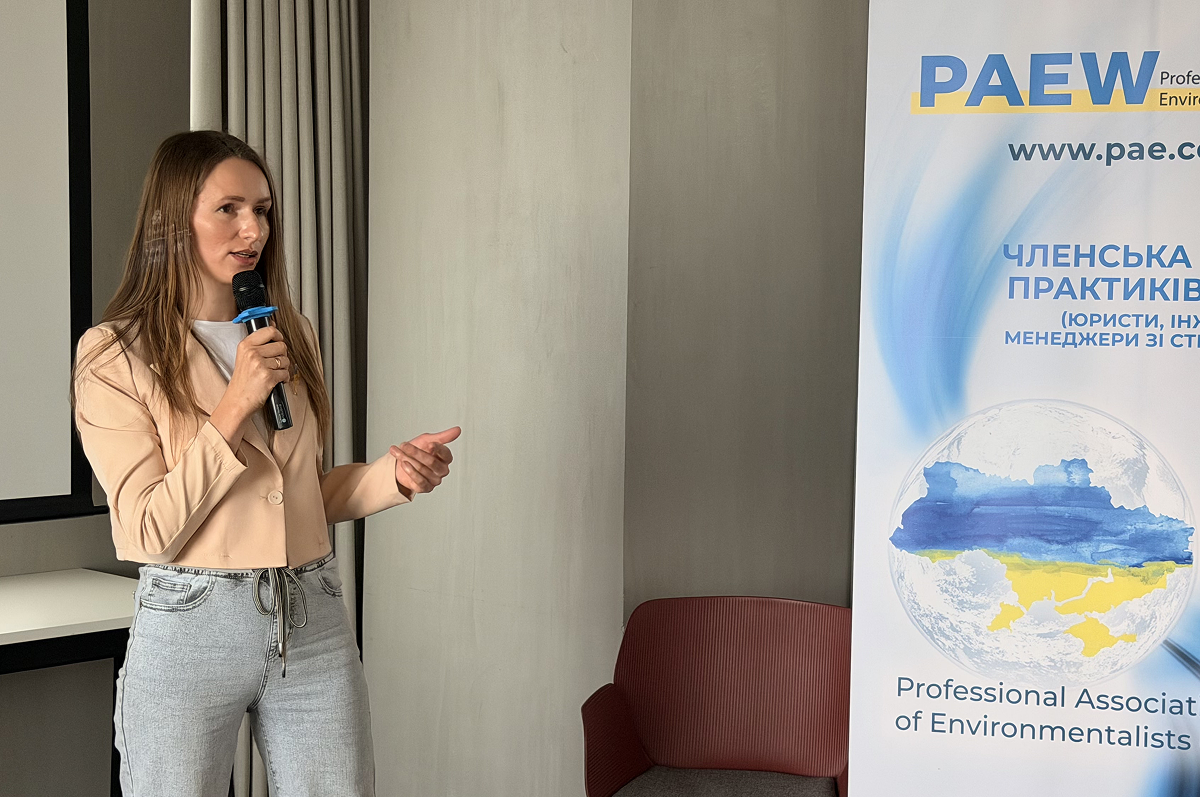
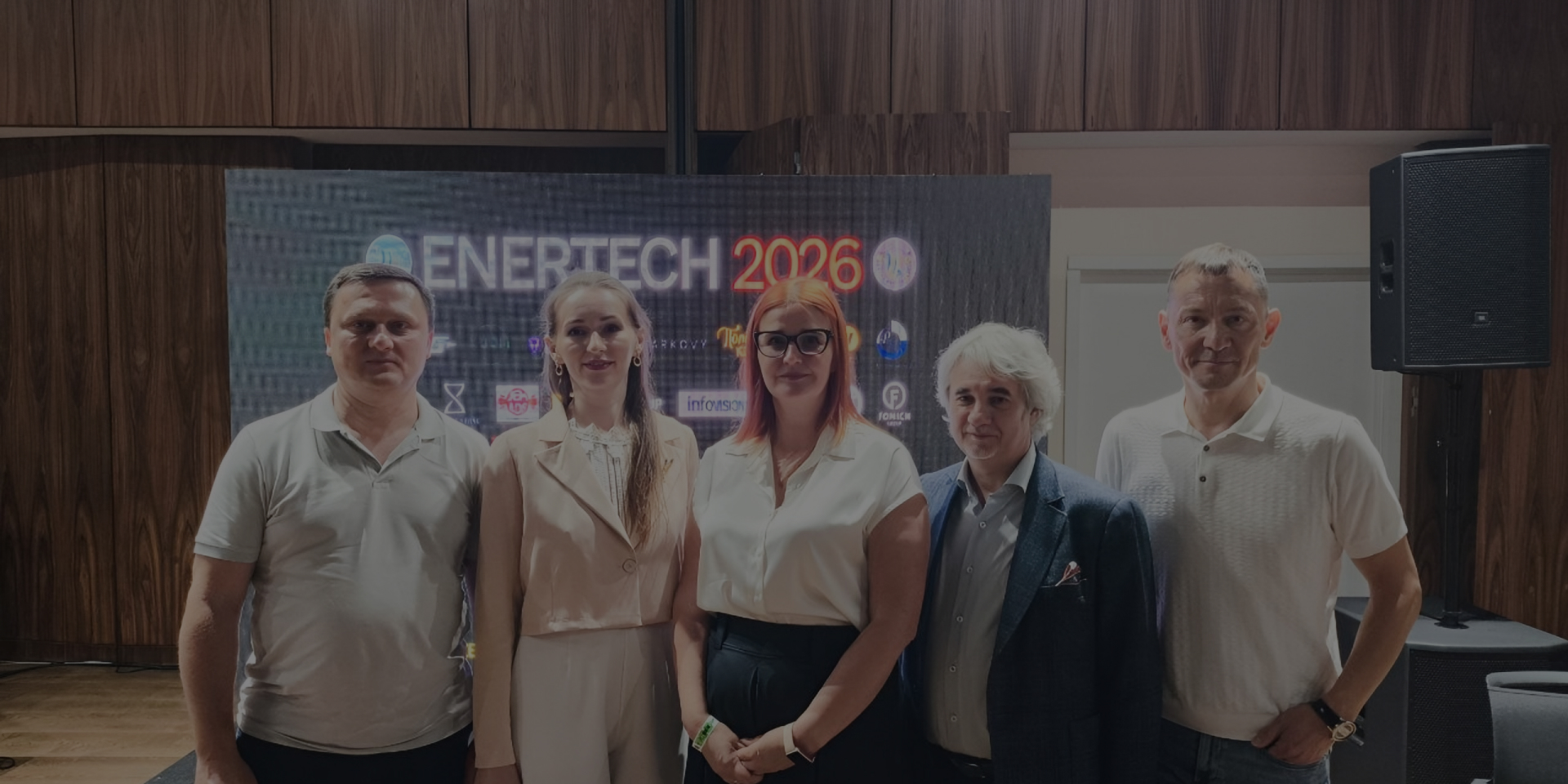
This was the focus of the inaugural consultation meeting for the international project “Renewables Acceleration Areas in Ukraine — a tool for green recovery”.
The Pro-Energy team took part in the event to gain an understanding of how European approaches to spatial planning for renewable energy will be implemented in Ukraine, and what role biogas and biomethane will play in this process.
The introduction of Renewables Acceleration Areas (RAA) is directly linked to a number of strategic challenges.
The first is the destruction of energy infrastructure. Ukraine needs to develop decentralised power generation, whereby communities, businesses and critical infrastructure facilities have their own energy sources.
The second is European integration. Ukraine is bringing its legislation into line with the requirements of the updated EU RED III Directive, which aims to accelerate the development of renewable energy by designating special areas for the implementation of such projects.
Thirdly, the need to reduce the time taken to prepare investment projects.
It is precisely for this reason that Ukraine plans to develop a national GIS tool, which will help to identify areas suitable for the development of renewable energy right from the outset.
One of the main topics of the event was the development of a unified geoinformation system.
The information needed today already exists, but it is scattered across various government registers, departments and digital platforms. Investors and developers have to spend a great deal of time checking each potential plot of land.
The new tool is intended to bring this data together into a single system.
Its purpose is to show what is located within a specific area and to help assess whether it is suitable for implementing a project without undue environmental risks and in accordance with legal requirements.
In essence, this involves a shift from simply gathering information to a system designed to support investment decision-making.

During the discussion, the experts pointed out that the technical capabilities for selecting promising sites already exist.
Satellite data, digital maps and modern software solutions make it possible to quickly identify areas with the greatest solar potential.
However, that is not enough.
The main problem lies in the lack of a single mechanism for checking whether a specific plot of land can be used for the construction of a solar power station. Investors have to apply separately to various authorities, which significantly lengthens the time taken to prepare projects.
Technical risks were also mentioned separately. Insufficiently studied geological conditions may lead to soil subsidence and damage to the foundations of solar power stations once they have been commissioned.
A separate part of the discussion was devoted to the development of wind energy.
One of the most sensitive issues remains that of the Emerald Network sites, which are effectively recognised as important for the conservation of biodiversity, yet still lack a fully-fledged legislative framework for their protection in Ukraine.
The discussion focused primarily on the risks to bird and bat migration, as well as the need for more in-depth research into the environmental impact of large-scale wind projects in sensitive regions, particularly in the Carpathians.
Although the main focus has been on environmental aspects, the European approach encompasses a much broader range of criteria.
These include:
It is precisely this comprehensive approach that makes it possible to shorten project delivery times without compromising on quality.
Despite the wide range of topics covered, there were hardly any questions raised during the event regarding the development of biogas and biomethane.
It was the Pro-Energy team that drew the participants’ attention to this aspect.
One of the key problems today remains the lack of a single register of raw material resources.
Consequently, it is difficult for businesses to assess opportunities for cooperation and to develop effective models for supplying organic feedstock to biogas plants. Whilst this issue is not particularly relevant in the case of large biogas plants, such a register is of particular importance for small and medium-sized agricultural enterprises. Access to such information could simplify the search for potential feedstock to improve a project’s economic viability, or act as a catalyst for the creation of joint biogas projects involving several enterprises.
In our view, the future development of the GIS tool should take into account the potential of biomass as one of the key forms of renewable energy.

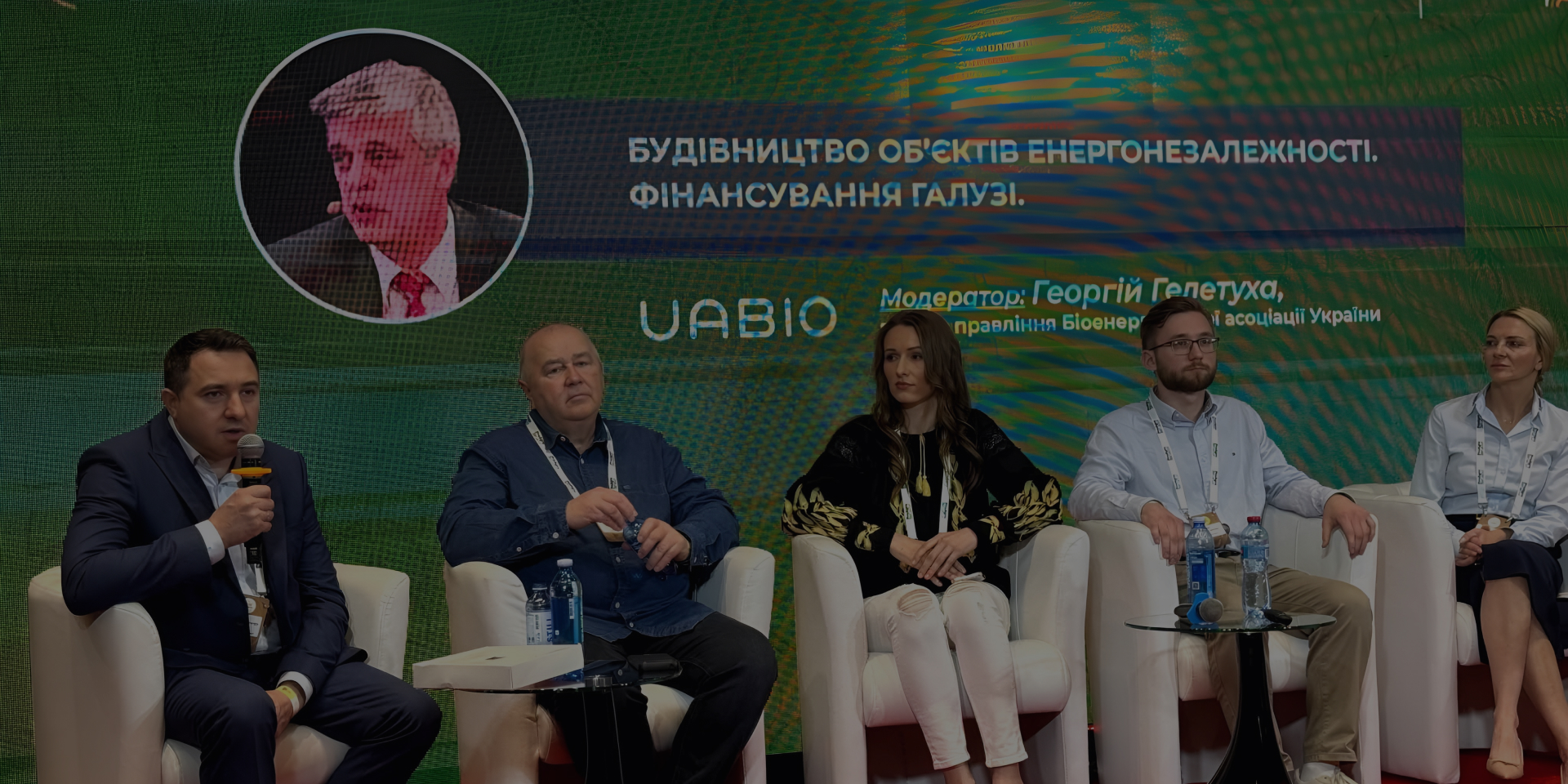
The participants also discussed the challenges involved in implementing the European RED III Directive in Ukraine.
Among the main challenges in the biogas/biomethane sector are:
Despite the challenges, those attending the event are optimistic about the sector’s prospects.
It is expected that the development of a national GIS tool will make it possible to significantly reduce the time taken to prepare investment projects, increase the transparency of the land selection process and minimise environmental risks.
At the same time, the development of distributed generation, energy storage systems and smart grids lays the foundations for achieving Ukraine’s strategic goal of increasing the share of renewable energy sources to 27 per cent of final energy consumption by 2030.
For the Pro-Energy team, taking part in the consultation meeting served as confirmation that the development of renewable energy in Ukraine is increasingly shifting from individual technologies towards integrated spatial planning.
The future of the sector will depend on how quickly investors are able to obtain reliable information on which to base their decisions.
At the same time,the development of Renewables Acceleration Areas must cover all areas of renewable energy, including biogas and biomethane. It is precisely the integration of these technologies into the new spatial planning system that will enable Ukraine’s resource potential to be utilised as effectively as possible and ensure that the green energy transition is truly comprehensive.
If you are planning to invest in renewable energy or would like to assess your business’s potential, please contact us for advice. We will help you choose the best solution, prepare a project in line with current market requirements, and implement it with maximum cost-effectiveness.
Send us a request, and we’ll personally provide the answers during a consultation.
Thank you for your request! The manager will contact you shortly to answer all your questions.
In the meantime, check out our implemented projects.
Periodically, you will receive letters from us with all the latest news from the field of bioenergy.
So that the letters do not end up in spam, please add info@pro-energy.com.ua to the list of contacts in the mail.
We will be in touch!