Cogeneration plants — an alternative to standard thermal power plants and combined heat and power plants

Ruslan Delidon — 18.12.2025


Ruslan Delidon — 18.12.2025
Traditional thermal power plants (TPP) and combined heat and power plants (CHP), which still form the backbone of Ukraine’s energy system, are increasingly ill-suited to the realities of wartime and the goal of energy independence. Their low efficiency, dependence on centralised management, and vulnerability to shelling are forcing businesses and communities to look for alternatives. Cogeneration plants are a modern solution with an efficiency of up to 93%, which allows for:
In Ukraine, this is not only profitable but strategically necessary.
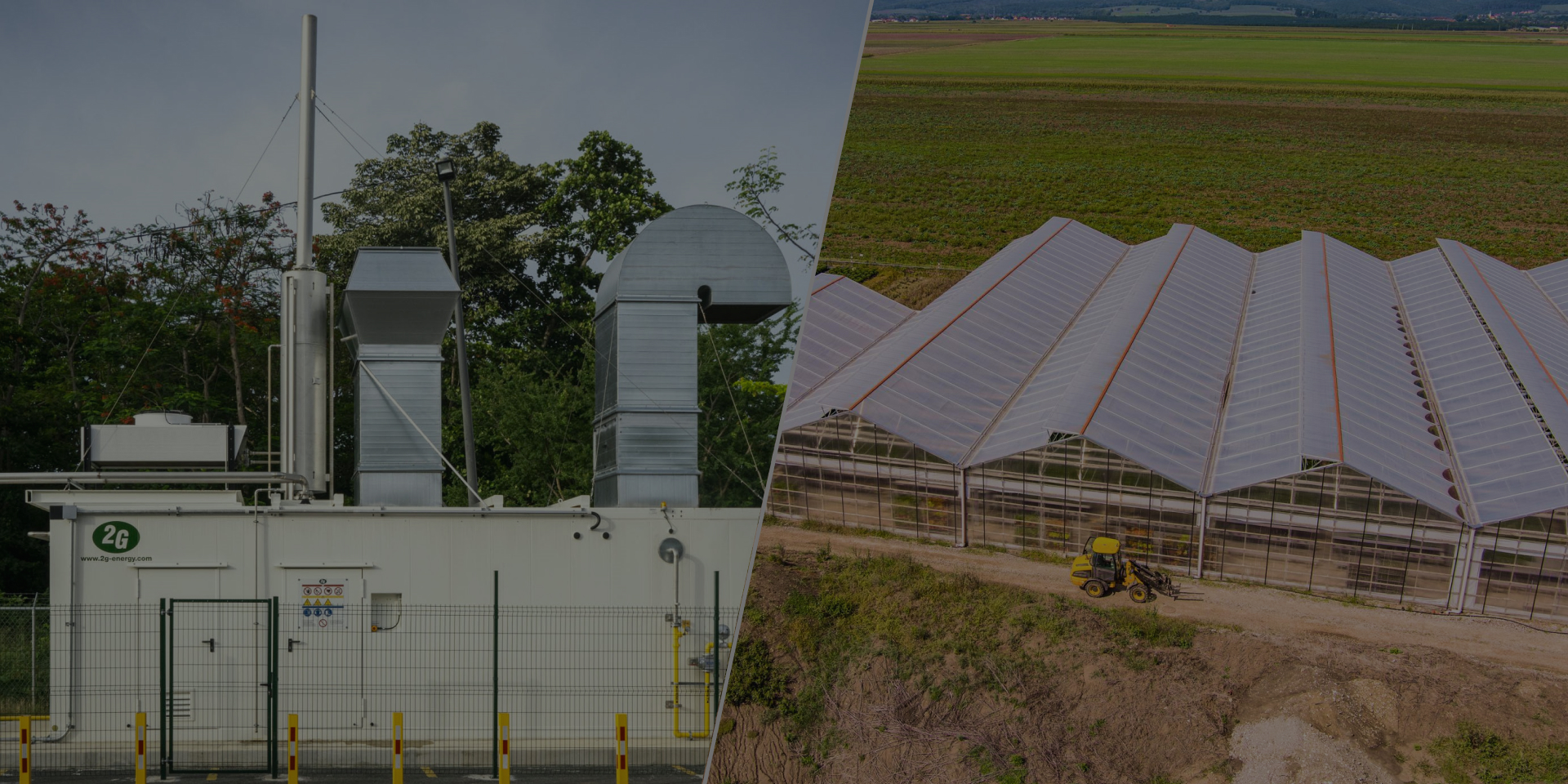
A cogeneration plant is a system in which fuel (gas, biogas or even hydrogen) is used to simultaneously produce electrical and thermal energy. Most often, a gas piston engine is used for this purpose, which drives a generator. At the same time, a significant amount of heat is generated, which is not lost, as in traditional thermal power plants, but is removed through heat exchangers for heating or technological processes.
Unlike bulky thermal power plants, cogeneration units are compact, quick to install and can operate both autonomously (without a grid) and in tandem with a grid. Most importantly, they are efficient: traditional power plants lose up to 70% of energy in the form of heat, while cogeneration uses it all.
You can find out more about cogeneration plants here.

The efficiency of a cogeneration plant reaches 85–93%, while in traditional thermal power plants (TPPs) it often does not exceed 30%. This means that a cogeneration system can produce the same amount of energy using three times less fuel. The result is lower costs, fewer CO₂ emissions, simplified logistics and reduced dependence on complex supply chains.
But it is not only about efficiency, but also about reliability. Traditional CHPs, most of which were built during the Soviet era, are now morally and physically obsolete. They do not meet modern requirements for flexibility and security of energy supply.
Large thermal power plants are easy targets for an aggressor country. During a full-scale invasion, they are constantly under fire from missiles and drones. One accurate strike, and the region is left without electricity and heat. It takes weeks, and sometimes months, to restore such facilities.
In this context, cogeneration paves the way for decentralised generation: businesses, farms or communities can independently produce heat and electricity at a specific location and at a specific time.
Unlike large centralised stations, decentralised cogeneration modules are more difficult to disable. Even if one of them is damaged, the others will continue to operate. This is not only an economic advantage, but also a guarantee of safety, which in modern conditions is often more important than the price per kilowatt.
With rising electricity and heating prices, cogeneration offers real economic benefits. According to estimates by Pro-Energy, which has implemented over 40 projects, a typical cogeneration plant pays for itself in 2–4 years. Fuel savings can reach 40%, which is critically important for energy-intensive enterprises. In addition, surplus electricity can be sold to the general grid, which means not only savings but also profit. Today in Ukraine, electricity from cogeneration plants is sold through the day-ahead market (DAM) and the intraday market (IDM). Prices there are dynamic, and with proper generation management, it is possible to obtain a profitable margin, especially during peak hours. To do this, it is important to ensure accurate load planning and stability of technical parameters, which cogeneration plants can guarantee. This opens up opportunities not only for energy supply, but also for the full entry of the enterprise into the energy business.
Cogeneration solutions are particularly effective for enterprises that also require heat, such as the food, chemical and pharmaceutical industries. In such cases, the cost of energy is reduced by almost half.

Cogeneration plants are successfully implemented in various areas:
A separate area is mini-CHP plants for enterprises, where cogeneration becomes the basis of a micro-energy system with complete autonomy.
Biogas cogeneration plays a special role, as it combines the utilisation of organic waste with energy generation. Biogas is obtained through the anaerobic fermentation of manure, silage and agricultural residues. It is then fed into a cogeneration plant and converted into electricity and heat.
This enables agricultural enterprises to achieve complete energy independence, reduce fertiliser costs (thanks to digestate), utilise waste and sell surplus energy.
Want to learn more about biogas production for cogeneration? Read our article.
The Ukrainian government has declared its commitment to supporting decentralised energy, but no direct incentives or subsidies for the implementation of cogeneration plants are currently planned. Instead, businesses can take advantage of several relevant financing instruments:
In addition to financing, the policy of energy decentralisation is also supported: autonomous generation, microgrids, and the development of distributed energy infrastructure. Participation in such projects is not only a path to energy security, but also a real opportunity to attract funds without excessive financial burden.

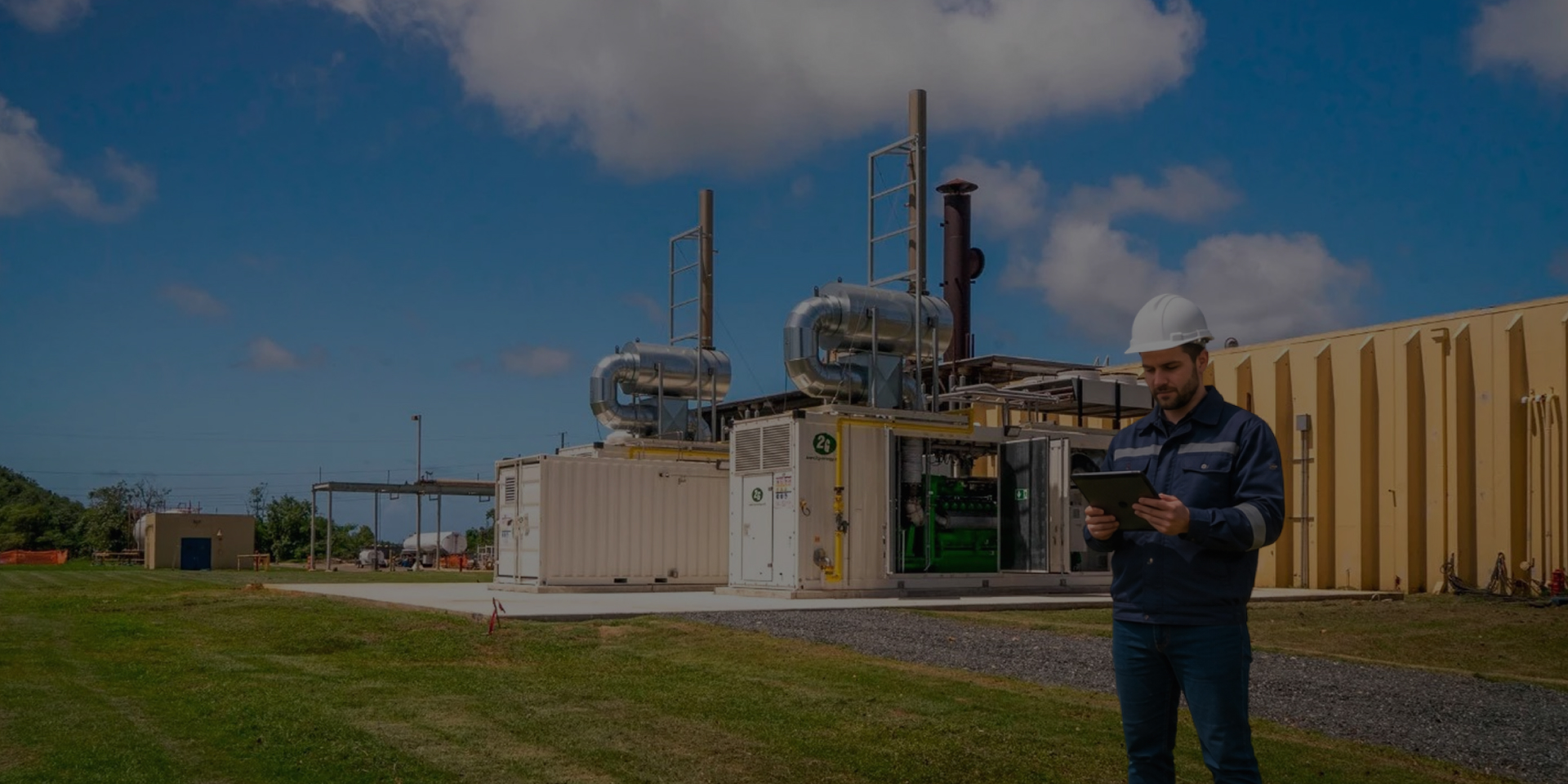
Pro-Energy designs, supplies, installs and maintains modular cogeneration units with a capacity of 50 to 2,500 kW. The systems can operate either autonomously or synchronously with the grid. Additionally, remote monitoring systems are implemented, allowing the plant to be controlled online — efficiently and from anywhere in the world.
Cogeneration modules are easily integrated into existing engineering systems and do not require complex bureaucracy or large-scale construction.
To properly assess the potential of a project, a resource audit is required. Pro-Energy provides services for raw material analysis, biogas volume calculation, and equipment selection tailored to your conditions.
Check out the answers to other frequently asked questions about biogas plants — in this article, we have compiled a checklist to help you understand whether you are ready for implementation.
Cogeneration is not only a response to the energy crisis but also an effective solution for Ukrainian businesses. High efficiency, resource savings, quick payback, and independence from unstable centralized infrastructure are key advantages that dozens of companies in Ukraine are already realizing.
Want to find out if a cogeneration plant meets the needs of your business? Get a free consultation from the experts at Pro-Energy.
Send us a request, and we’ll personally provide the answers during a consultation.
Thank you for your request! The manager will contact you shortly to answer all your questions.
In the meantime, check out our implemented projects.
Periodically, you will receive letters from us with all the latest news from the field of bioenergy.
So that the letters do not end up in spam, please add info@pro-energy.com.ua to the list of contacts in the mail.
We will be in touch!